Discovery Sprint Services
Turn Your Product Idea Into a Development-Ready Roadmap in 2–4 Weeks
A Discovery Sprint validates your product idea before you invest in development. In just 2-4 weeks, you leave with a roadmap, prioritized features, and the technical foundation needed to build with confidence. At Inceptives Digital, it’s the step every product goes through first, giving founders and product teams a plan worth building on before a single developer gets involved.

Why Products Fail Before They're Even Built
CB Insights found that 42% of startups fail because they build something the market never needed. The Standish Group’s long-running CHAOS research shows that about three in ten software projects succeed outright, with the rest running over budget or missing scope.
A joint study by McKinsey and Oxford found that large IT projects run 45% over budget and deliver 56% less actual value than promised. Those numbers trace back to decisions skipped before development, exactly the gap a Discovery Sprint closes.
Is This Product Discovery Sprint for You?
Discovery Sprint fits a range of teams, though a few situations show up again and again before companies reach out.
Startup Founders Validating an Idea
Before pitching investors or committing personal savings, founders use Discovery Sprint to test whether the idea holds up against real user feedback and market data early, not just conviction alone.
Businesses Replacing Legacy Software
Companies Launching New Digital Products
Entering an unfamiliar market without user research or competitive analysis is expensive guesswork. Discovery Sprint validates demand, tests positioning, and defines the feature set before launch decisions get locked in.
Organizations Modernizing Internal Systems
Internal tools built years ago assume a team size or process that no longer exists. Discovery Sprint re-maps workflows and constraints so the system fits the organization running it today.
Teams Stuck on Unclear Requirements
When a team keeps relitigating the same requirement, the issue usually sits upstream in scope definition. Discovery Sprint aligns stakeholders, users, and engineers on requirements before a digital product is even developed.
Businesses Adding AI Capabilities
AI features raise questions most roadmaps skip: what data exists, how reliable the model needs to be, and whether users trust automated decisions. Discovery Sprint answers these before development starts.
The Real Business Impact of a Discovery Sprint
Six industry callouts with short copy and links to industry pages. Ordered by relevance to digital product development buyers.
Reduce Risk and Costly Rework
A discovery sprint tests assumptions and scrutinizes architecture on paper before code exists, catching flawed features and technical risk early. Mistakes caught during discovery cost a conversation, not a rebuild.
Launch Faster with a Focused MVP
Every proposed feature gets scored against user value and effort before it earns a place in scope, keeping the MVP lean. Discovery Sprint resolves ambiguity, so engineering spends time building.
Strengthen Team and Investor Confidence
Validate Fit and Build for Scale
Your Idea Deserves Better Than Average Execution.
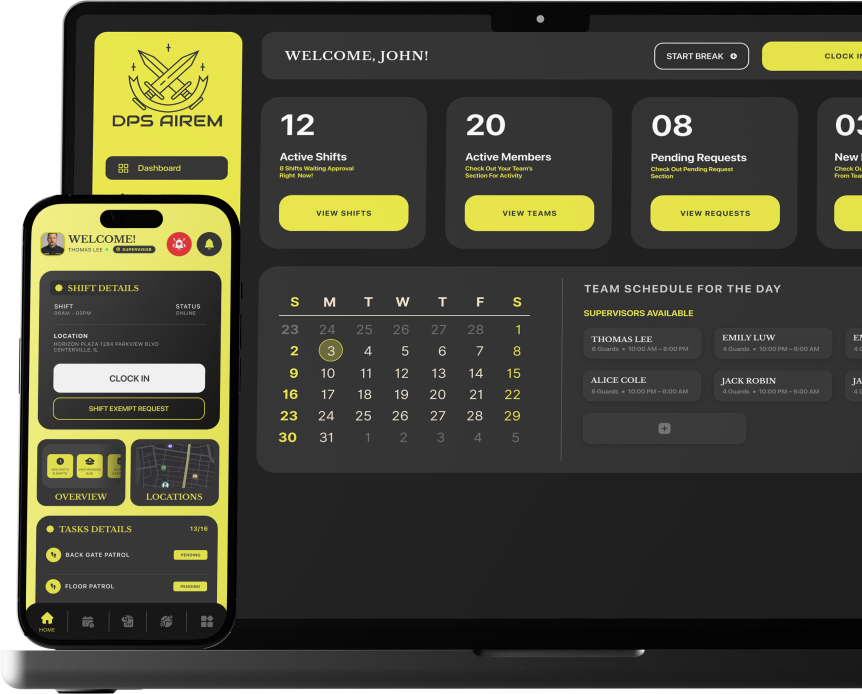
DPS Airem
Pulse Check
A real-time workforce management platform that cut manual paperwork by 90%, streamlining operations and improving accuracy.
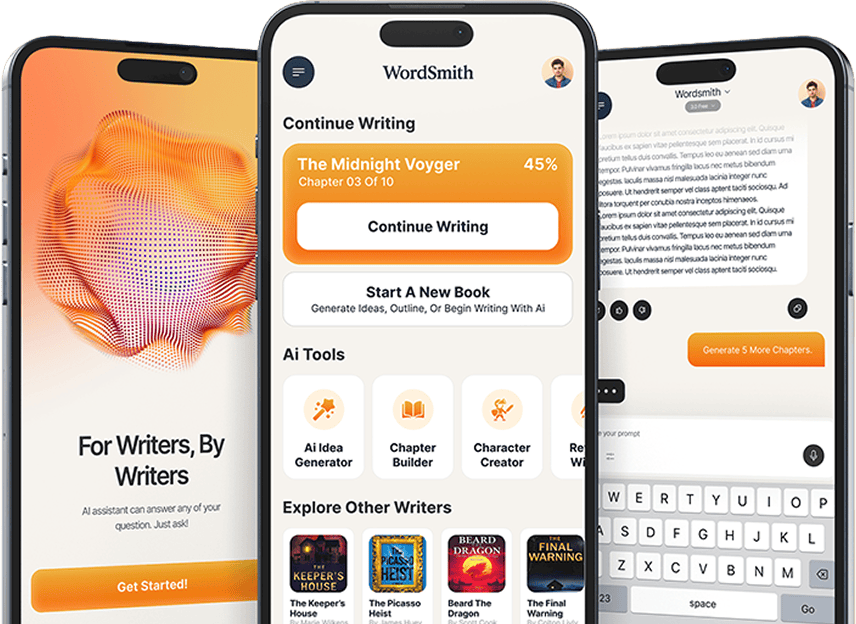
WordSmith
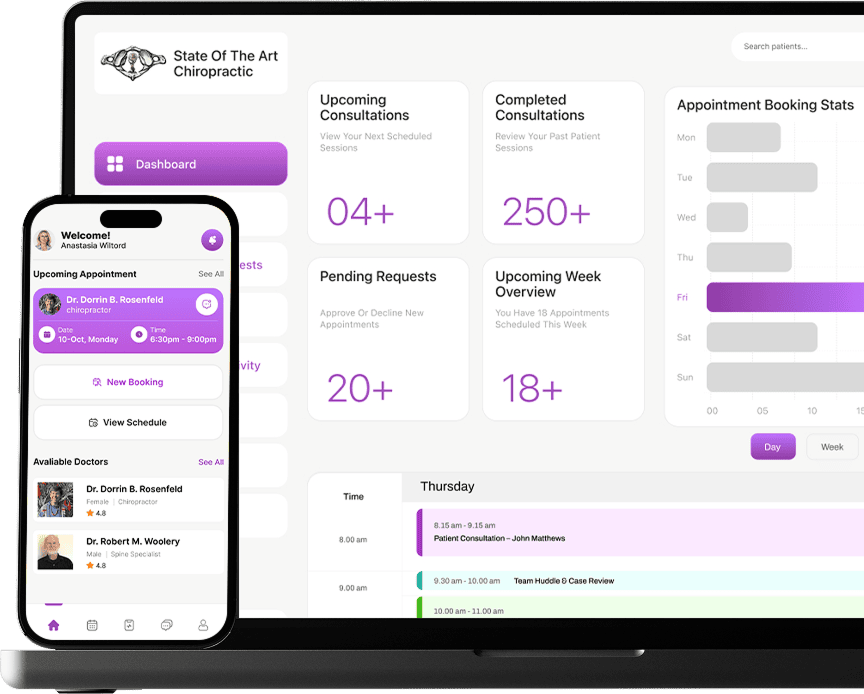
State of the art chiropractic
A real-time workforce management platform that cut manual paperwork by 90%, streamlining operations and improving accuracy.
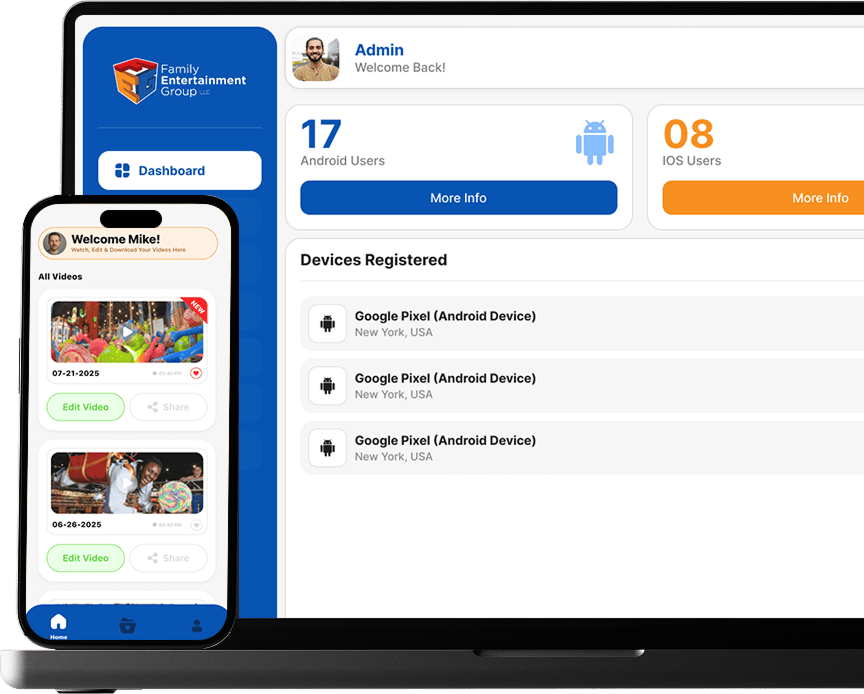
Family Entertainment Group
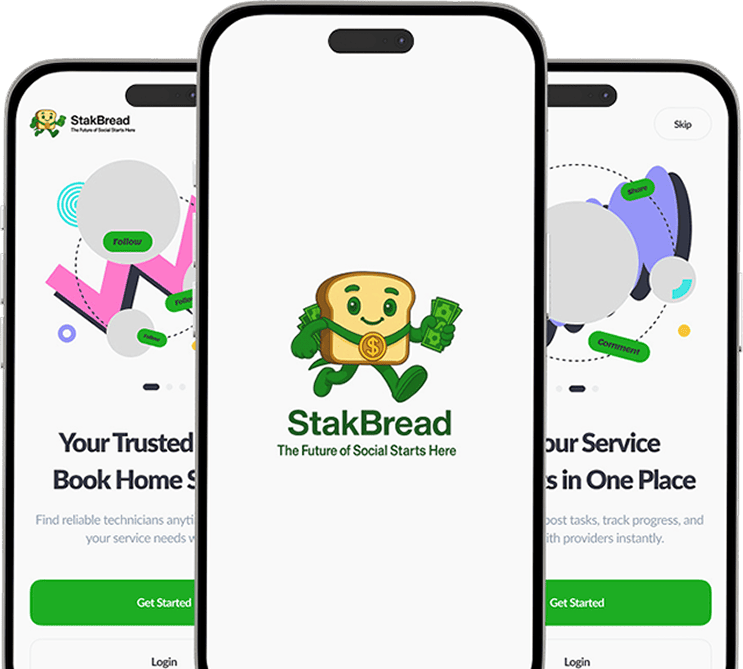
StakBread
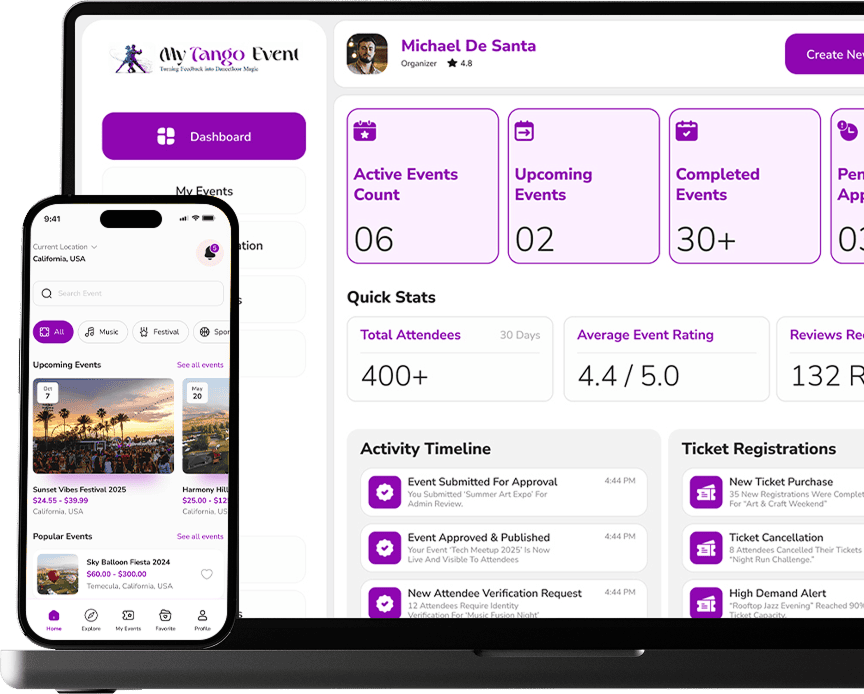
My Tango Event
A real-time workforce management platform that cut manual paperwork by 90%, streamlining operations and improving accuracy.
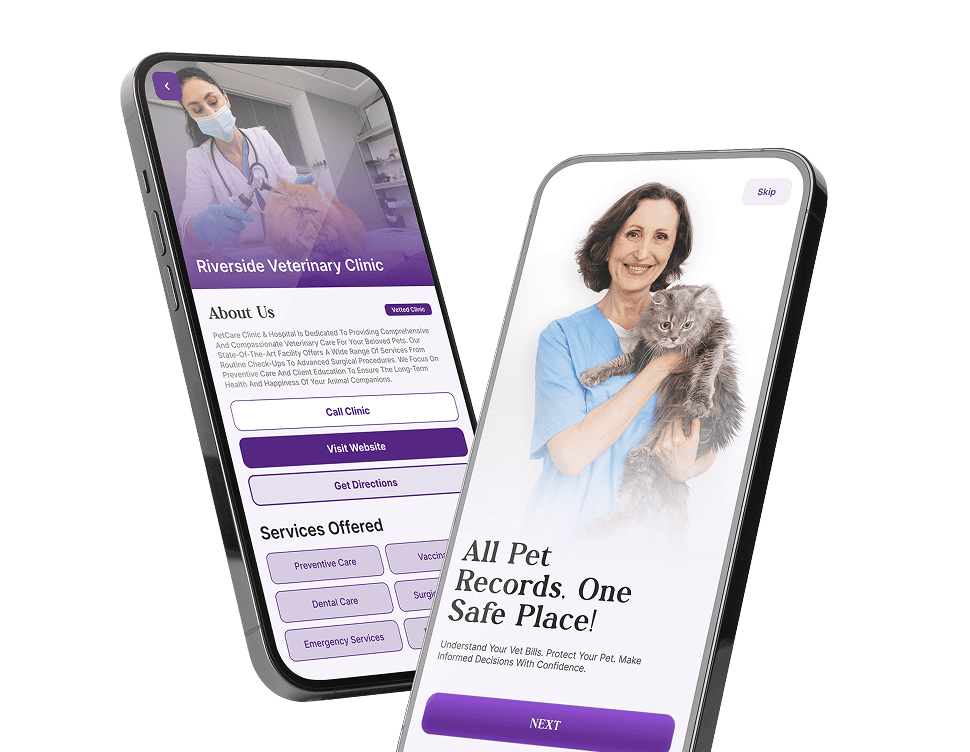
Pets B4 Profit
What Our Clients Say About Building With Us
Every successful product starts with alignment between the people building it and the people who need it. These stories reflect the collaboration, trust, and product decisions behind our work.
Inceptives Digital excels at translating complex, abstract product requirements into high-performance, production-ready software. Their execution is seamless.”
Collis Maddox
Owner/Designer, MaddTech
From initial product strategy to deployment, Inceptives Digital demonstrated exceptional technical discipline. They delivered a highly scalable mobile product ahead of schedule without compromising architectural integrity.
Kirk Flaming
Owner, Pulse Check Timer
Dorrin Rosenfeld
DC & Owner, State of the Art Chiropractic
We needed an engineering partner capable of architecting a highly scalable, complex social commerce platform. Inceptives Digital mapped out a precise technical strategy demonstrating deep understanding of data architecture, system performance, and user-centric design.
Gary Dixon
Founder, StakBread
The engineering rigor at Inceptives Digital is outstanding. They managed our complex scope of work with meticulous precision from initial system architecture to the final deployment phases.
Ariel Rodriguez
Founder, Dropryde
OUR WORK
ACROSS INDUSTRIES
Six industry callouts with short copy and links to industry pages. Ordered by relevance to digital product development buyers.
What Actually Happens During a Product Discovery Service Engagement
STAGE 01
Business & Product Workshop
Business objectives, constraints, and success metrics for the product are defined here in terms that stakeholders can point back to. Structured facilitation surfaces disagreements that stay hidden deep into development.

STAGE 02
Market & Competitor Research
STAGE 03
User Research
STAGE 04
Feature Prioritization
Every proposed feature for the product idea is scored against user value, business impact, and effort to build. What scores highest becomes the MVP scope, and the rest gets logged.
STAGE 05
UX Strategy & User Flows
STAGE 06
Wireframes & Rapid Prototypes
STAGE 07
Technical Discovery
Engineering formalizes the technical plan here, covering architecture, integrations, scalability, and risk. That means defining how the system is structured, what it depends on, how it scales, and what could derail the timeline.
STAGE 08
Product Roadmap
STAGE 08
Budget & Timeline
Prototype, PoC, or MVP: Which One Do You Actually Need?
The distinction between these three engagements is frequently misunderstood. Getting it right before committing to a scope is one of the most consequential early product decisions.
Deliverable
Business Value
Product Vision
Gets every stakeholder pointed at the same target
User Personas
Grounds product decisions in real behavior, not opinion
Competitor Analysis
Clarifies where the product actually fits in the market
Feature Prioritization
Shortens the path to a shippable MVP
Wireframes
Gives the whole team a shared, arguable reference point
Technical Architecture
Hands develop a plan instead of a blank page
Roadmap
Turns strategy into an execution sequence
Cost Estimate
Replaces a guess with a number that people can plan around
Not Sure Where to Start?
One Conversation Clarifies Everything
The Tech Stack Behind Every Discovery Sprint Engagement
Discovery sprints rely on the right set of collaboration, research, design, and technical planning tools. Our team works across modern product discovery technologies to map user journeys, validate concepts, document insights, and define a technical foundation that supports informed product decisions and successful development.
The Discovery Sprint Framework: Three Weeks, One Roadmap
Discovery Sprint at Inceptives Digital follows the same three-week structure, moving from research to validation to a development-ready plan.
Research
Phases 1–3
Stakeholder workshops, competitive research, and structured user interviews establish the factual foundation on which the sprint builds. This replaces internal opinions about your digital product with evidence gathered directly from the market.

Validation
Phases 4–6
Here come our product validation services. Wireframes, clickable prototypes, and technical discovery work get tested against user and stakeholder feedback. This confirms whether the proposed solution solves the problem before design and engineering commit real hours.

Planning
Phases 7–9
Roadmap, technical architecture, and budget get brought together into a single execution-ready plan. It sequences the digital product’s features by dependency and value, so development can start with a build order.
Final Presentation
A complete walkthrough covers findings, decisions, and the recommended path forward for the digital product. The recommendations come with the reasoning laid out for any stakeholder to challenge or approve.


Why Choose Inceptives Digital for Your Discovery Sprint
No Development Pressure
If discovery doesn’t support building the product as scoped, that gets said plainly. A sprint ending in “don’t build this yet” still succeeds, costing less than finding out after launch.
Discovery-First Mindset
The engagement starts with evidence gathered directly from users and the market, not assumptions dressed up as strategy. Workshops, competitor research, and technical discovery all feed into one validated direction.
Technical & Business Alignment
Strategy, research, design, and engineering work in the same room from day one. The roadmap that comes out reflects what the business needs and what the architecture can genuinely support.
Research-Led Decisions
Recommendations trace back to something a user said or a pattern in the research. The whole structure plan gets sequenced so a development team can pick it up immediately.
How Much Does a Product Strategy Engagement Cost?
Product strategy engagements cost between $2,500 and $25,000, based on scope. Here is how that breaks down.
Focused reviews
- Best For
- Validate an idea with essential features
Timeline
2–3 Months
Estimated Investment
$25,000 – $50,000
Growth Product
- Best For
- Businesses expanding functionality and user base
Timeline
3–6 Months
Estimated Investment
$60,000 – $150,000
Enterprise Product
- Best For
- Complex platforms with integrations, compliance, and high scalability
Timeline
6+ Months
Estimated Investment
$180,000
Difference Between Discovery Sprint and MVP Development
Discovery Sprint
MVP Development
Purpose
Validate the idea and de-risk the build before committing budget
Build and ship a working product to real users
Typical duration
"Should we build this, and how?"
"Does this work in the market?"
Key deliverables
Problem definition, user research, technical feasibility, scoped roadmap, cost estimate
Working software, core feature set, deployed product, initial user feedback loop
Team involved
Strategist, product lead, sometimes a technical architect
Full product team: designers, engineers, PM
Investment Level
Low, fixed-fee
Higher, scoped by feature set
Best for
Teams with an idea but unclear direction, unproven assumptions, or investor pressure to show a plan
Teams with a validated concept ready to get in front of users
Output feeds into
An MVP Development scope (or a "don't build it yet" recommendation)
Product-market fit testing, seed/next funding round, or Scaling
Every Great Digital Product Starts With Better Decisions
The fastest way to waste time and money is to build without clarity. Validate the idea, align the team, and move into development with confidence.