Backend & API Development Services
Scalable Systems Start with Advanced Backend Engineering
Trusted Engineering Partner for 70+ Digital Products
Backend Architecture Decides Business Outcomes
Comprehensive Backend & API Solutions ServicesBuilt Around Your Product
Custom Backend Development
Backend systems are designed around your product’s actual data flows, business logic, and load patterns, not a generic framework. Every system ships with service boundaries, data ownership, and a scaling strategy already built in.
API Development & System Integrations
Microservices Architecture & Development
Cloud-Native Backend Development
Backend infrastructure built for AWS, Google Cloud, or Azure from the start treats auto-scaling, managed services, and distributed architecture as default choices, which is why performance holds as load increases instead of degrading under it.
Database Design & Performance Optimization
Backend Modernization & Migration
Building the Infrastructure Across 20+ High-Growth Markets
Backend & API development services at Inceptives Digital span 20+ industries, each with its own technical demands, regulatory environment, and infrastructure requirements. The architecture adapts to the sector, not the other way around.
Your Idea Deserves Better Than Average Execution.
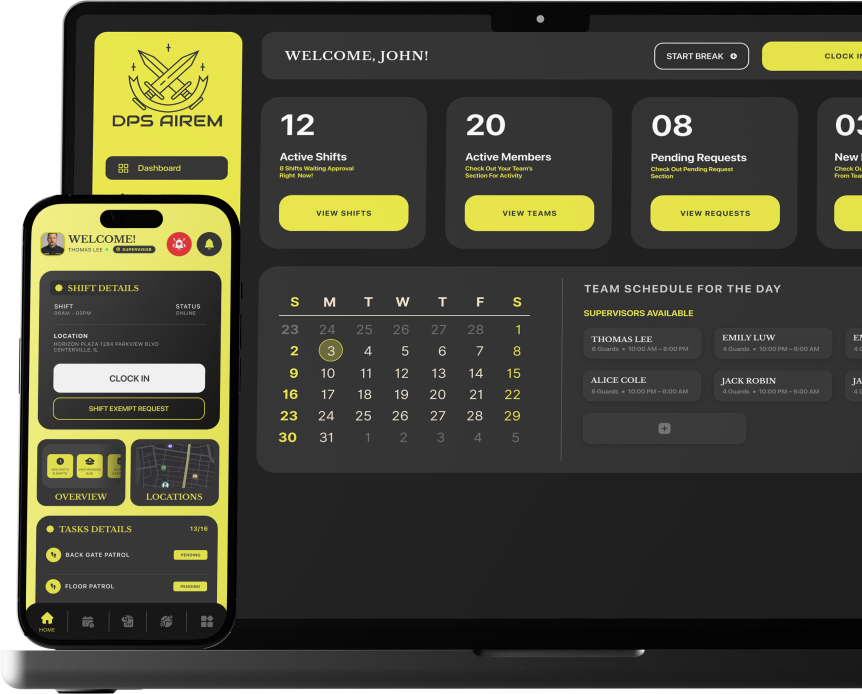
DPS Airem
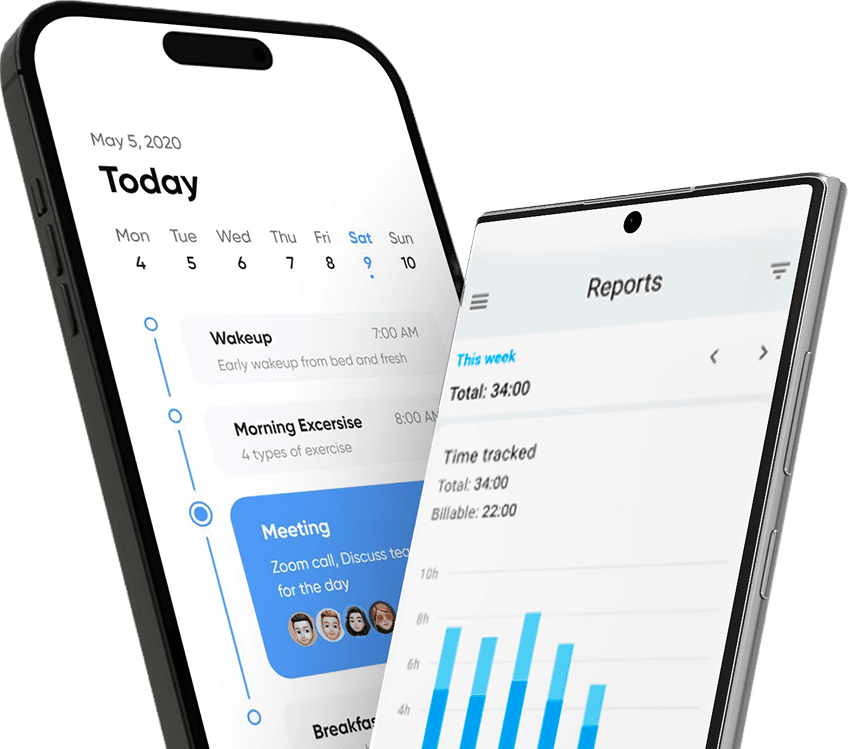
Pulse Check
A real-time workforce management platform that cut manual paperwork by 90%, streamlining operations and improving accuracy.
WordSmith
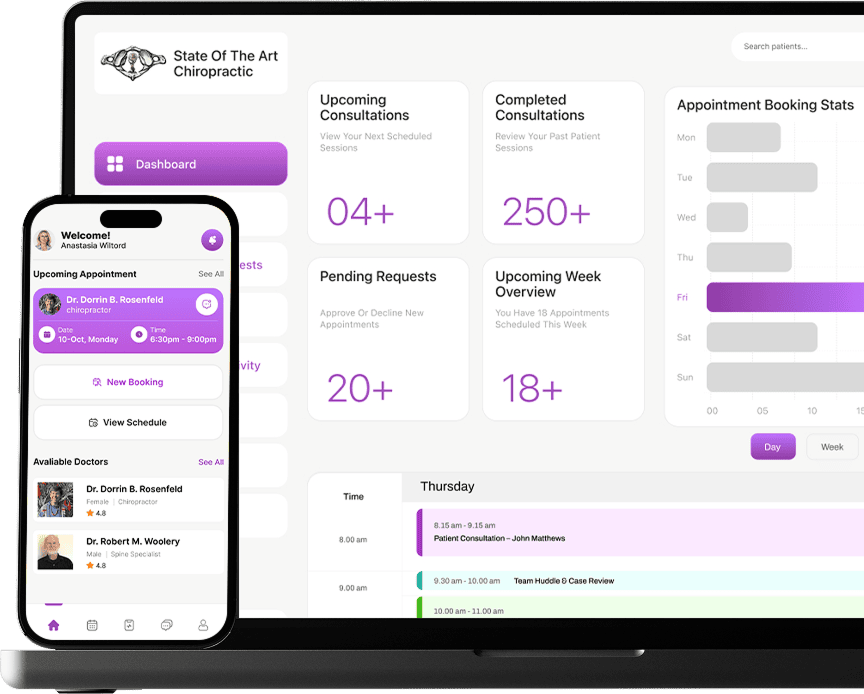
State of the art chiropractic
A real-time workforce management platform that cut manual paperwork by 90%, streamlining operations and improving accuracy.

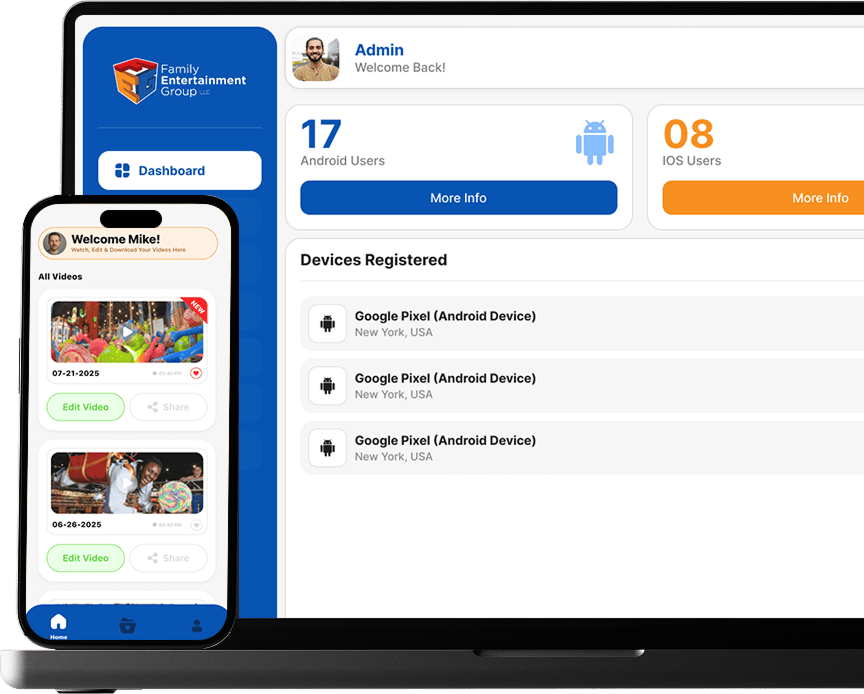
Family Entertainment Group
StakBread
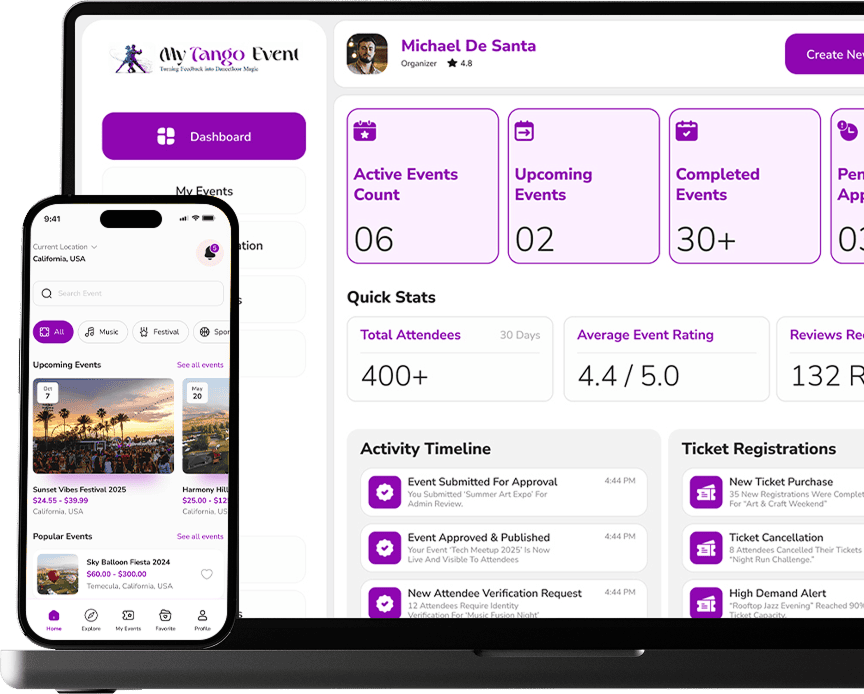
My Tango Event
A real-time workforce management platform that cut manual paperwork by 90%, streamlining operations and improving accuracy.

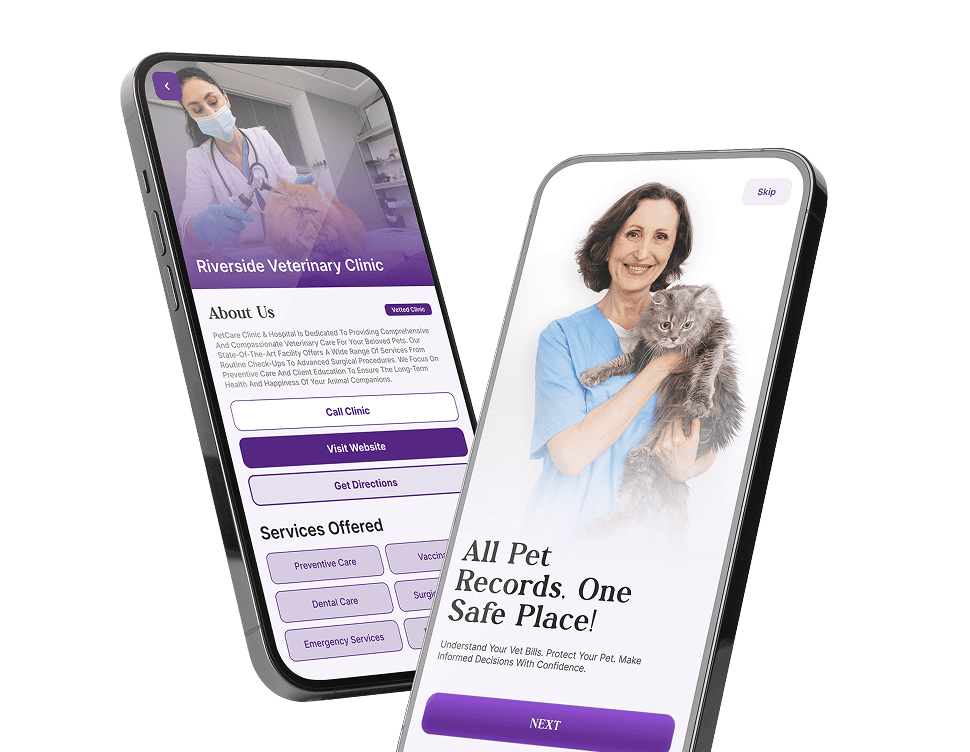
Pets B4 Profit
What Our Clients Say About Building With Us
Every successful product starts with alignment between the people building it and the people who need it. These stories reflect the collaboration, trust, and product decisions behind our work.

Inceptives Digital excels at translating complex, abstract product requirements into high-performance, production-ready software. Their execution is seamless.”
Collis Maddox
Owner/Designer, MaddTech
From initial product strategy to deployment, Inceptives Digital demonstrated exceptional technical discipline. They delivered a highly scalable mobile product ahead of schedule without compromising architectural integrity.
Kirk Flaming
Owner, Pulse Check Timer
Dorrin Rosenfeld
DC & Owner, State of the Art Chiropractic
We needed an engineering partner capable of architecting a highly scalable, complex social commerce platform. Inceptives Digital mapped out a precise technical strategy demonstrating deep understanding of data architecture, system performance, and user-centric design.
Gary Dixon
Founder, StakBread
The engineering rigor at Inceptives Digital is outstanding. They managed our complex scope of work with meticulous precision from initial system architecture to the final deployment phases.
Ariel Rodriguez
Founder, Dropryde
Ready to Strengthen Your Product's Foundation with Us?
Get a technical assessment of your current backend and a clear plan for what it needs next.
Why Product Teams Trust Inceptives Digital with Their Backend Architecture
Architecture-First Engineering
API-First Product Design
APIs go through the same review process as a shipped product: versioned contracts, documentation, stability checks before release. Skip that process and every team building on the API inherits its mistakes.
Cloud-Native Infrastructure
Backend systems are built on AWS, Google Cloud, or Azure from the first design decision, with auto-scaling and distributed architecture already running underneath the system before load ever increases.
Performance Without Bottlenecks
Security Embedded into Every Layer
Authentication, encryption, and access control are part of the architecture from the first data flow mapped. OAuth2, JWT, and field-level encryption are in place before the system is ever exposed to a user.
Long-Term Maintainability
Every system is handed off with documentation that captures the reasoning behind each architecture decision, not just the decision itself. The engineers who inherit it work from context, not guesswork.
Our Backend & API Development Process
Requirements & Architecture Planning
Database & API Design
Development & Integration
Security & Performance Validation
Deployment & Ongoing Support
After successful validation, the backend is deployed through automated CI/CD pipelines with comprehensive technical documentation. Our team continues supporting the product beyond launch, ensuring the architecture adapts smoothly as user demands emerge.
Production-Proven Technologies for Modern Software
Advanced Backend Capabilities for Intelligent Digital Products
Beyond core backend & API development, AI integrations, event-driven architecture, real-time systems, serverless computing, distributed systems, and workflow automation have been built and shipped across the products in our portfolio. These are not capability additions. They are part of how we engineer.
AI Integrations
Event-Driven Architecture
Real-Time Systems
Serverless Computing
Distributed Systems
Workflow Automation
Flexible Pricing Models Built Around Your Backend Scope
Backend Foundation
$20,000 - $50,000
- Up to 15 API endpoints designed and documented
- Single database architecture, relational or NoSQL
- OAuth2 or JWT authentication implemented
- One third-party integration included
Full-System Backend Build
$50,000 - $110,000
- Up to 40 API endpoints across REST, GraphQL, or gRPC
- Multi-database architecture with Redis caching layer
- Up to five third-party integrations
- Microservices with independently deployable services
Backend Migration & Modernization
$65,000 - $160,000+
- Architecture audit and migration roadmap delivered first
- Phased extraction starting with highest-risk components
- Legacy API modernization to REST or GraphQL
- Zero-downtime database migration strategy
Your Product Deserves Better Infrastructure. Talk to the Right Backend Developer
Every estimate is finalized before the first sprint begins, with no open-ended ranges carried into the engagement.
FAQs
Backend & API Development
How do you decide which API architecture, REST, GraphQL, or gRPC, fits our product?
The decision follows the product’s actual data shape and client needs, not a default preference. Products with complex, nested data or multiple front-end clients are better served by GraphQL. Products with simpler, predictable data needs are better served by REST. The architecture follows the use case.
How do you ensure a backend can scale as our user base grows?
Scale is addressed at the architecture stage through database partitioning, service boundaries, and load-aware infrastructure design. Systems are stress-tested under simulated load before deployment, and cloud-native infrastructure on AWS, Google Cloud, or Azure provides auto-scaling as actual demand changes.
Can you integrate a new backend with our existing legacy systems?
What security measures do you build into backend systems?
Do you work alongside our existing in-house developers, or only as a full external team?
Do you provide ongoing maintenance after the backend is deployed?
Yes. Post-launch retainer engagements cover dependency updates, performance monitoring, scaling adjustments, and feature development. Continuity with the original engineering team matters, since architecture context rarely transfers fully through documentation alone.When a business needs to reach iOS and Android without building twice, React Native is the most commercially sound decision available. One codebase, one development timeline, and one engineering team delivering native-grade performance across both platforms simultaneously. Facebook, Instagram, and Shopify all built their mobile products on React Native for exactly these reasons.
How long does a typical backend or API development project take?
A focused backend covering core API and database architecture typically takes six to twelve weeks. A full-system build, including integrations and deployment, runs fourteen to twenty-four weeks. Migration timelines depend on the size and condition of the existing system.