Kotlin Multiplatform App Development Services
Architect Your Multiplatform Product on Kotlin's Full Potential
KMP consolidates your business logic into one shared Kotlin module, giving Android, iOS, web, and desktop a unified foundation, while each platform still runs its own native UI. That architecture only holds at scale when the module boundaries and platform interfaces are defined correctly from the start, which is precisely where Inceptives Digital, as a mobile app development company, begins and engineers production-grade KMP systems.
Trusted by Product Teams Shipping on Kotlin Multiplatform
Why Are Experienced Product Teams Moving to KMP?
KMP reached stable release in November 2023, backed by JetBrains and Google. The architecture it offers has no credible alternative for teams that need shared business logic without surrendering native UI control on any platform. With Netflix and VMware among the engineering teams that have committed to it at production scale, adoption has increased threefold, from 7% to over 20%. Inceptives Digital applies the same level of architectural accuracy to each KMP project.
Is Kotlin Multiplatform the Right Architecture for Your Product?
The choice between KMP and native vs hybrid vs cross-platform app development depends on how much logic, UI, and platform behavior should be shared.

KMP is the stronger choice when:
- Your team has stronger Dart or JavaScript proficiency than Kotlin
- A product carrying significant business logic, financial calculations, offline sync, health data processing, or custom algorithms must behave identically across platforms
- An existing native Android codebase needs to extend to iOS without a full rewrite
- Platform-specific UI, OS integrations, and accessibility compliance are non-negotiable
- The product targets iOS, Android, web, and desktop from a single shared module
Flutter App Development or React Native App Development may serve you better when:
- Speed to market and UI consistency matter more than platform-native behavior
- Budget constraints require sharing UI code as well as logic
- Teams evaluating why choose Flutter against KMP should weigh UI sharing against native platform control.
If you are not certain which cross-platform app development architecture fits your product constraints, we will tell you directly, including when we would recommend a different path.
Our Wide Range of Kotlin Multiplatform App Development Services
Inceptives Digital provides end-to-end Kotlin Multiplatform app development services, from shared module architecture through platform-specific integration, deployment, and long-term engineering support.
KMP Architecture & Shared Module Design
The shared module boundary shapes scalability, testability, and the cost of every feature built after launch. That decision carries more long-term consequences than any other in a KMP product, and it is established with architectural precision before a line of product logic is written.
Shared Business Logic Development
Networking, persistence, domain models, use cases, and state management are built into a single shared Kotlin module. Backend API development connects shared services cleanly across targets. Every component is tested at the shared layer before it reaches a platform target, ensuring the bugs are caught before the UI is ever built on top of it.
iOS Integration (Swift / SwiftUI / UIKit)
iOS app development integration is the most technically demanding layer in any KMP product. At Inceptives Digital, the interop layer, Kotlin/Swift type mapping, coroutine-to-async bridging, and framework configuration are owned end to end so the iOS codebase stays fully idiomatic. The same principles that shape custom iOS app development for businesses still apply at the native UI layer.
Android Integration (Jetpack Compose / View System)
The Android app development layer consumes the shared module directly with zero translation overhead. Jetpack Compose UIs bind cleanly to shared ViewModels and domain layers, keeping Android-specific code thin, purposeful, and architecturally aligned from the first commit to the last. Understanding what Android app development involves remains important because KMP does not remove Android-specific UI and OS responsibilities.
Compose Multiplatform (UI Sharing)
Native-to-KMP Migration
Have an existing Android and iOS codebase and want to consolidate toward a shared module incrementally? Plan and execute the migration without disrupting your current release cadence. We start with the highest-value shared layers and expand scope in phases.
Ready to Scope Your KMP Project?
Industries We Build KMP Solutions For
KMP earns its place in products where business logic is complex, platform standards are non-negotiable, and multi-platform delivery is the baseline requirement. Proficient in KMP across 20-plus verticals where that experience runs deepest.
Your Idea Deserves Better Than Average Execution.
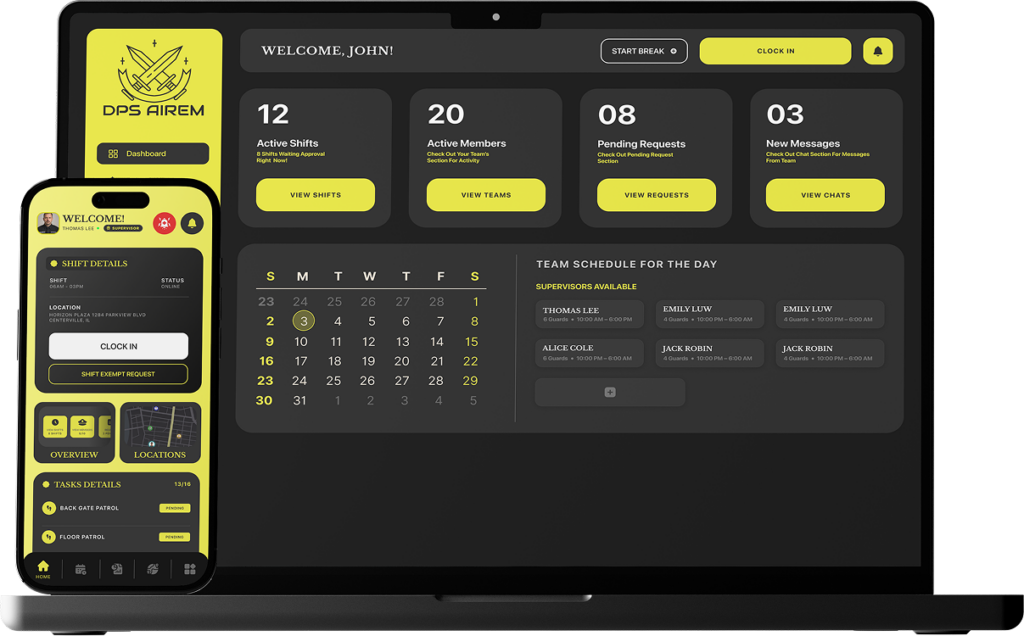
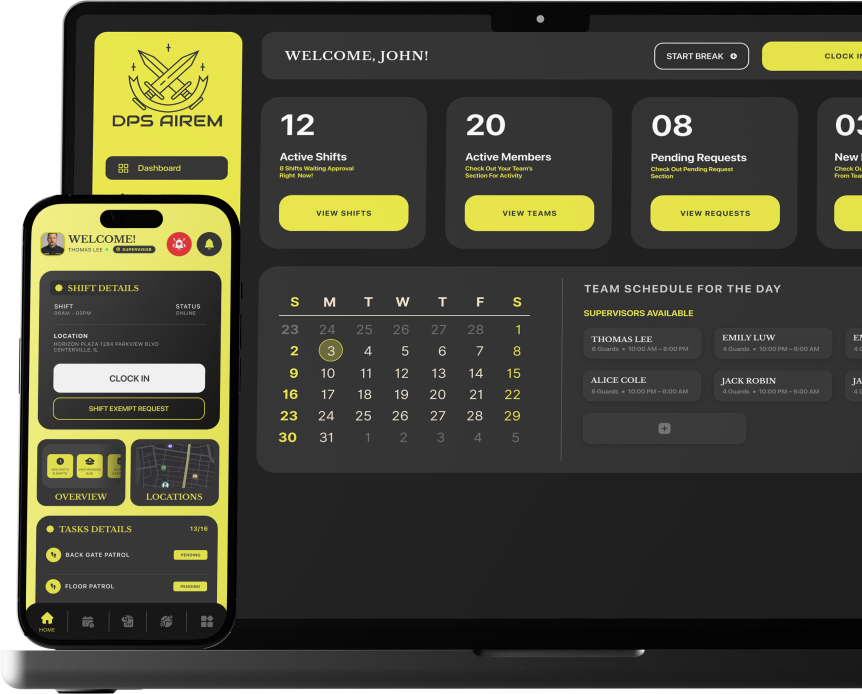
DPS Airem
Real-Time Workforce Operations Platform
Workforce management system that reduced manual paperwork by 90% while improving attendance, reporting, and operational accuracy.
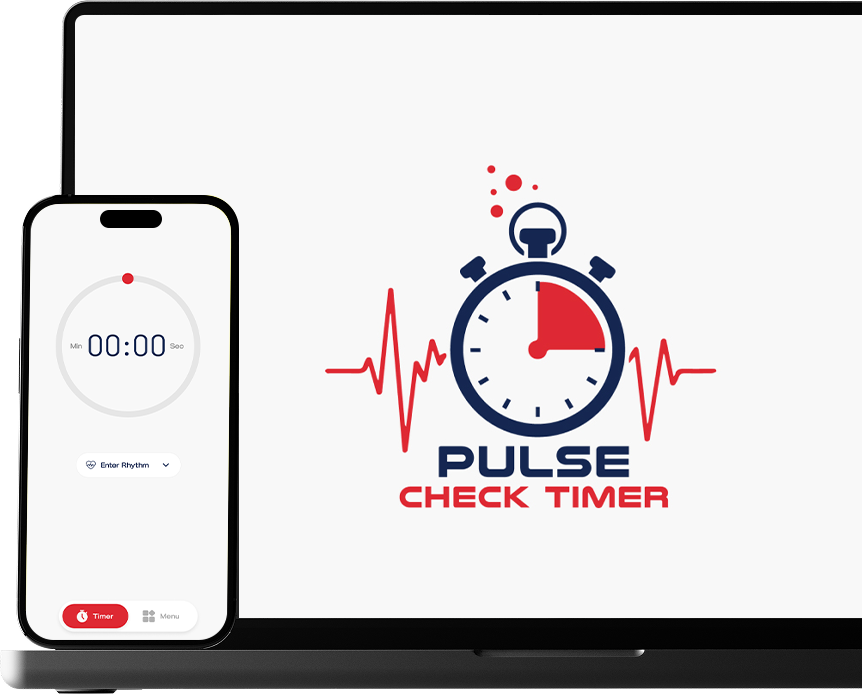
Pulse Check
Emergency CPR Timing and Resuscitation Support Platform
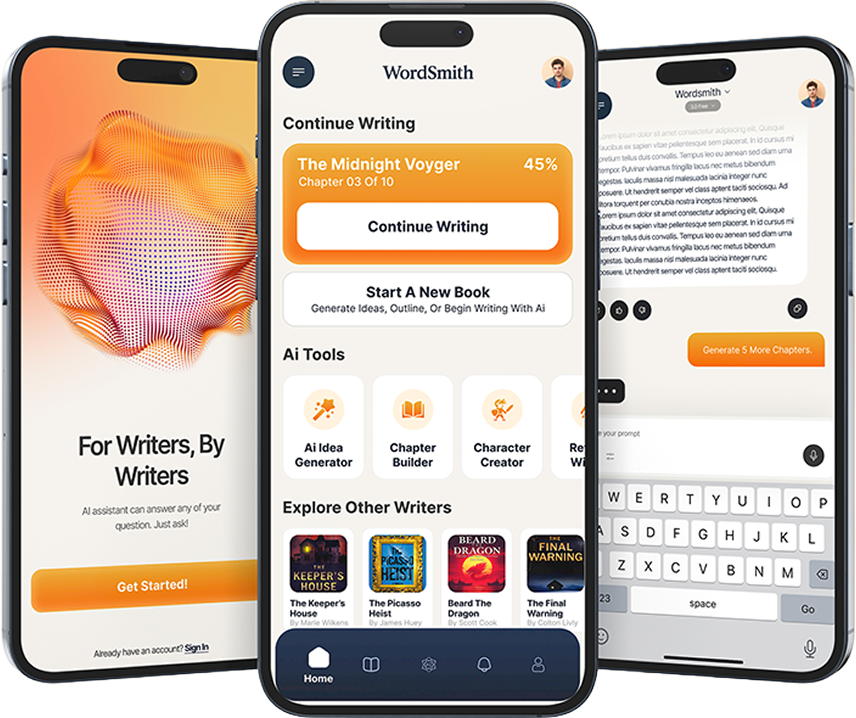
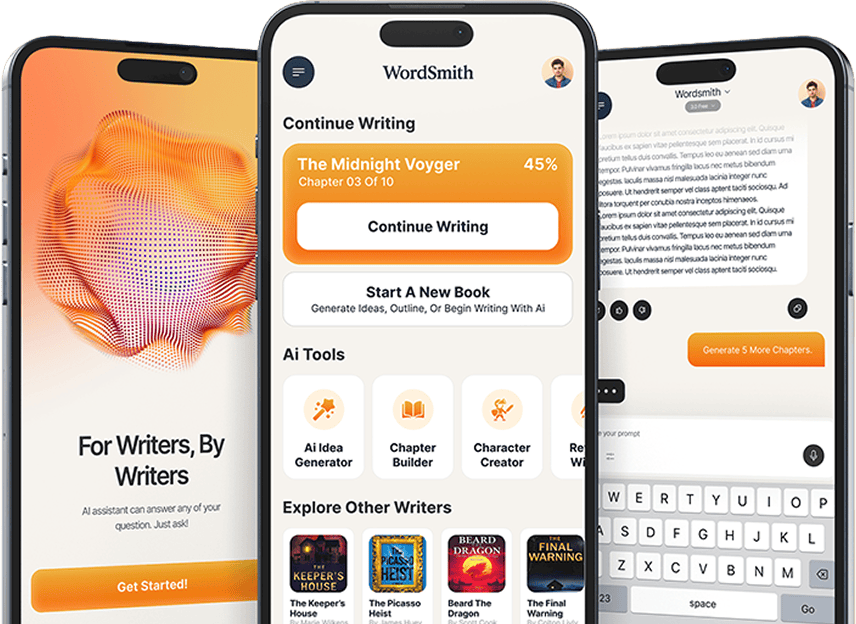
WordSmith
AI Writing Improvement Platform
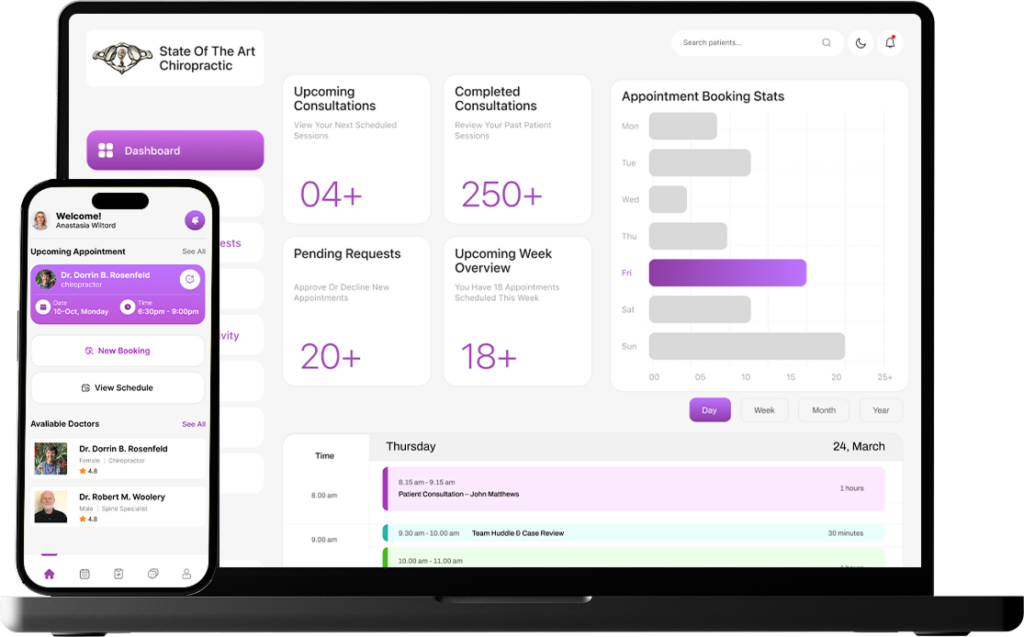
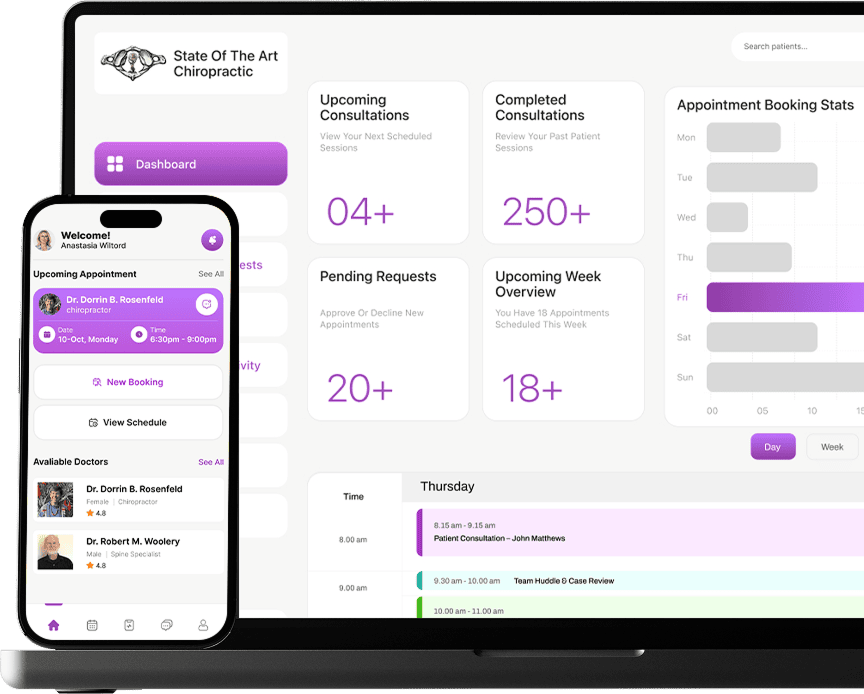
State of the art chiropractic
Connected Chiropractic Care and Telehealth Platform
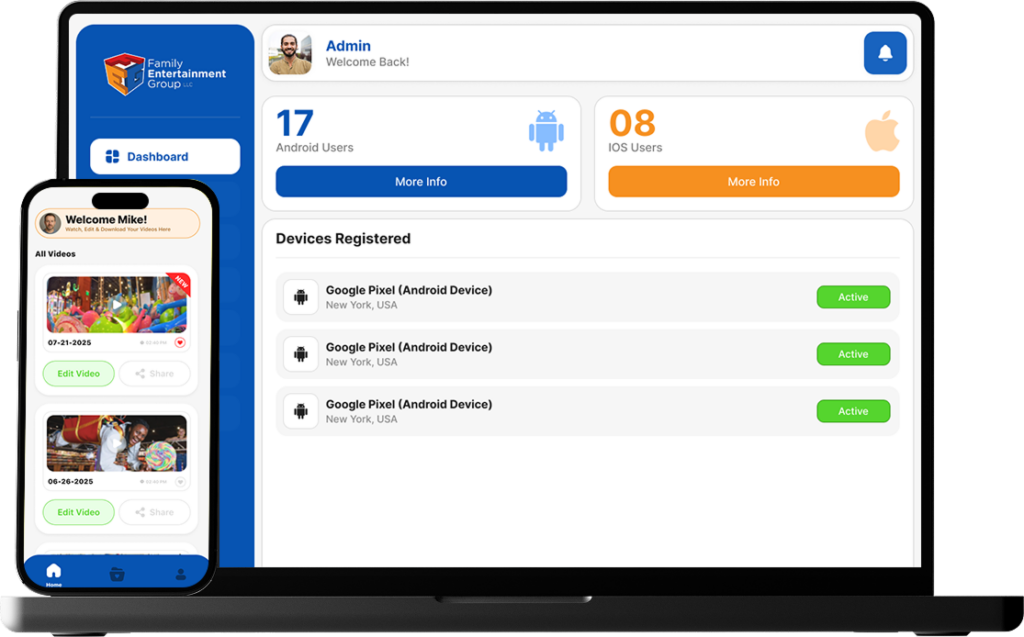
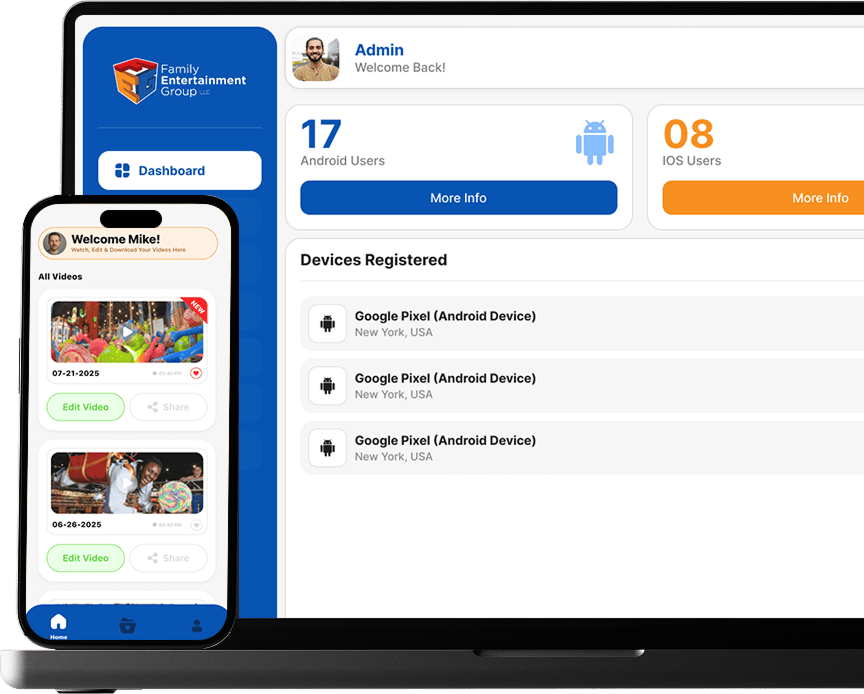
Family Entertainment Group
Automated Experience Capture and Delivery
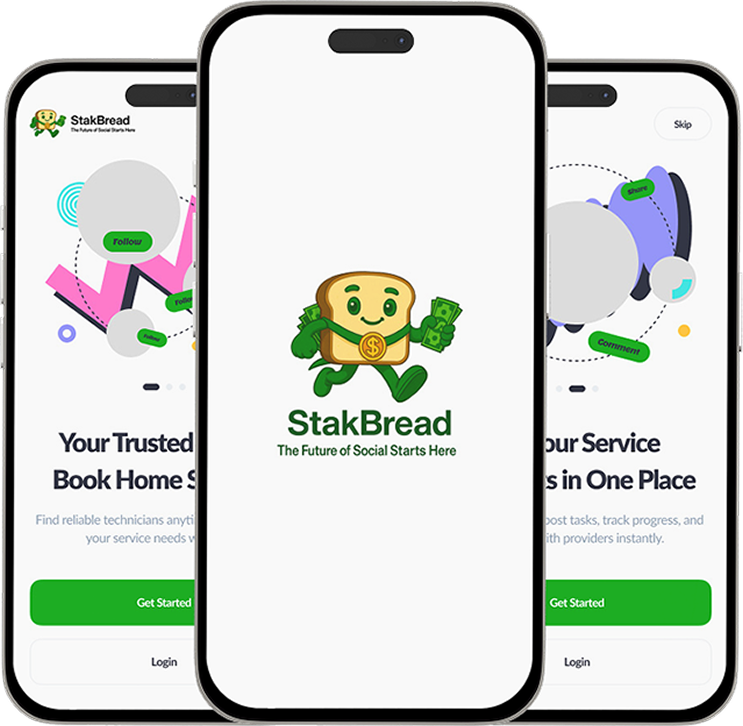
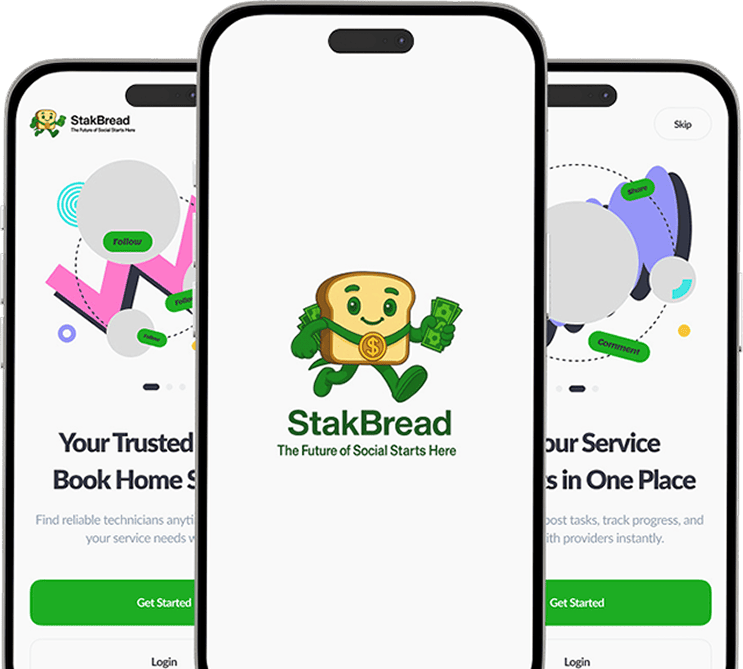
StakBread
Real-Time Workforce Operations Platform
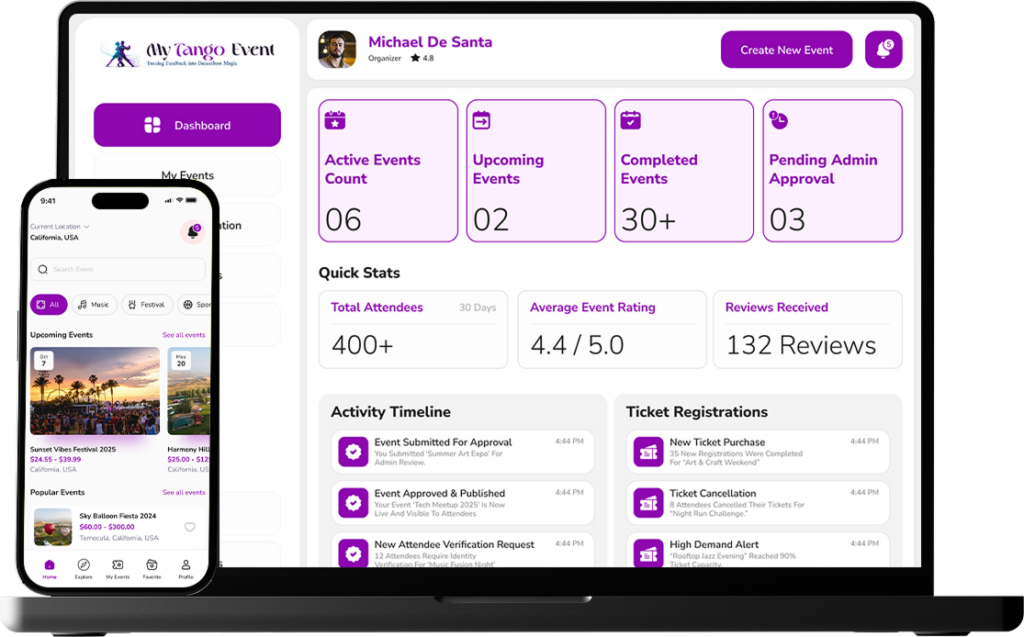
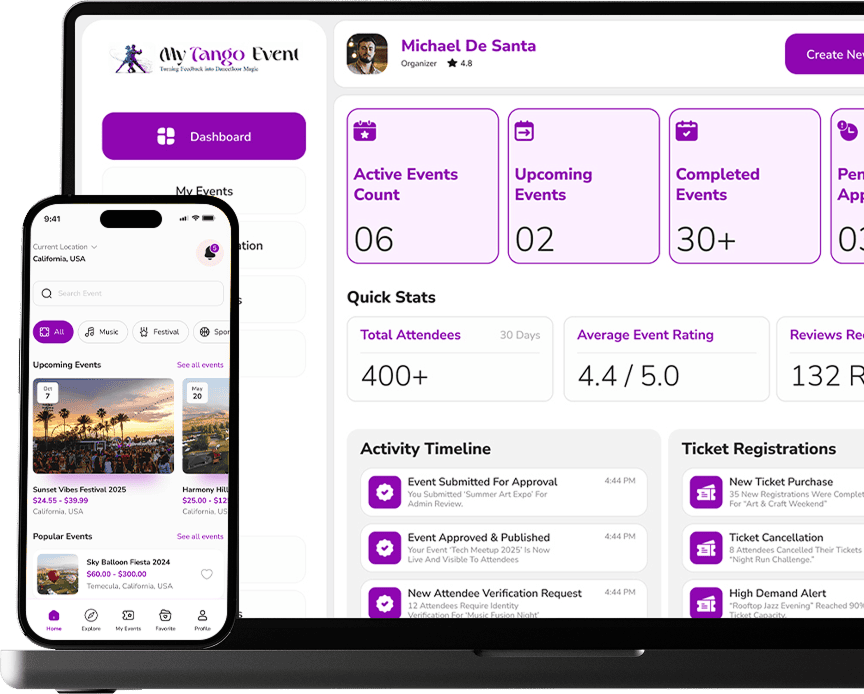
My Tango Event
Global Event Discovery and Community Engagement Platform
A real-time workforce management platform that cut manual paperwork by 90%, streamlining operations and improving accuracy.
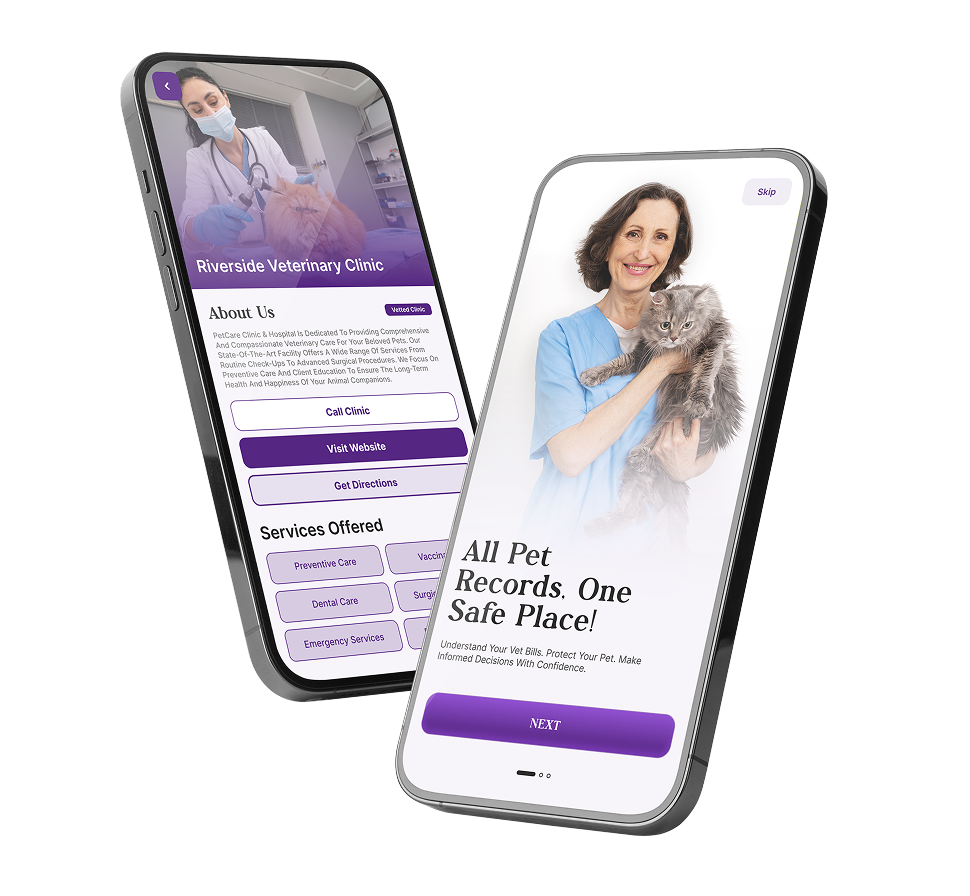
Pets B4 Profit
Automated Experience Capture and Delivery
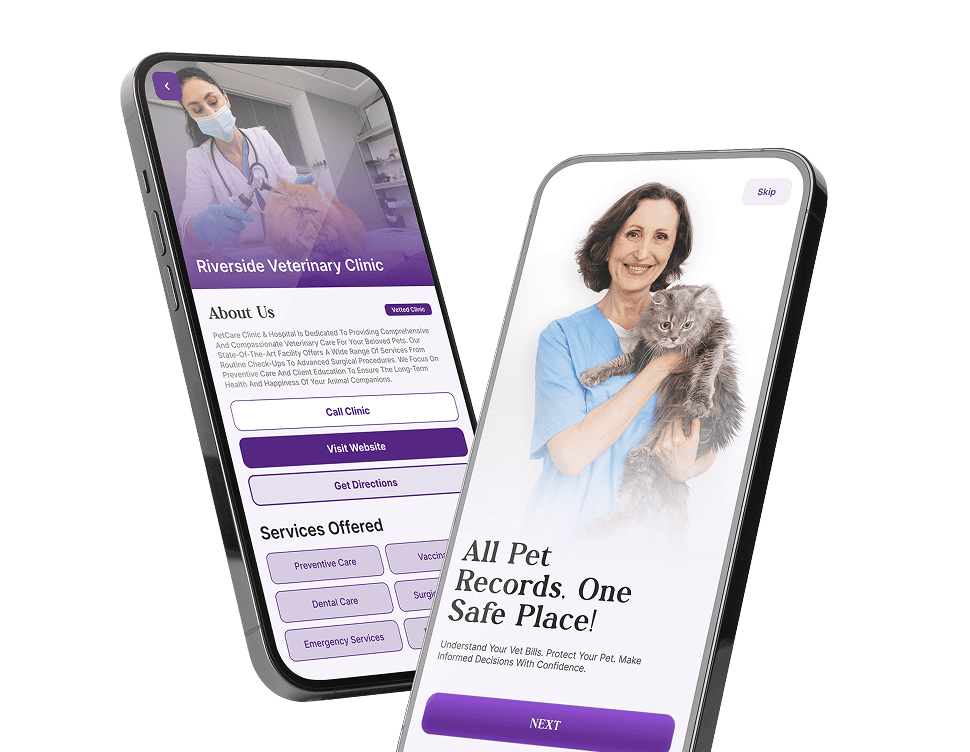
An AI-assisted veterinary intelligence platform that analyzes pet medical bills, explains treatment costs, and provides healthcare insights to improve pricing transparency for pet owners.
Ready to See If KMP Fits Your Architecture?
Why Choose Inceptives Digital as Your Multiplatform App Development Company
Precision From the First Decision
Most KMP projects fail at the boundary decision made before any code is written. That decision gets the depth it demands here because a wrong call costs far more to fix at month six than to get right on day one.
Production-Proven Kotlin Expertise
Uncompromised iOS Depth
The interop layer, Kotlin/Swift type mapping, coroutine bridging, and framework configuration carry the real weight of any KMP iOS integration. That layer is engineered with the same precision as the shared Kotlin module, keeping the iOS codebase fully idiomatic from the first build.
Migration Without Disruption
Architecture-First Recommendations
Multiplatform, Truly Full Stack
Our Kotlin Multiplatform Development Process
Kotlin Multiplatform app development follows a structured path from architecture to deployment. Each phase builds on validated decisions, ensuring the multiplatform app development company delivering it never trades precision for speed.

Defining the Shared Module Boundary
The discovery sprint defines the shared module boundary before any product code is written. Which layers belong in shared code, where platform logic begins, and the interface contracts between them are all resolved here.
Shared Module Development
Domain models, networking, persistence, and state management take shape inside the shared Kotlin module. Every component is tested at this layer first, so bugs surface where they are cheapest to fix.
Platform Integration
The shared module moves into each platform layer next. On iOS, types are mapped to idiomatic Swift, and coroutines bridge to async/await. On Android, the module is consumed directly, no translation layer is involved.

Platform UI Development
With the shared module stable, the platform UI runs in parallel. Jetpack Compose drives Android, SwiftUI or UIKit drives iOS, both consuming shared state and domain logic through clean interfaces.
Cross-Platform QA and Integration Testing
The product is tested on both platforms with deliberate attention to logic output, offline behaviour, sync accuracy, and edge cases that surface differently across OS versions and devices. Structured mobile app testing strategies verify both shared logic and platform-specific behavior.
Deployment and Ongoing Support
App Store and Play Store submission, CI/CD configuration for multiplatform builds, and engineering documentation come together here. The shared module stays supported well past launch through post-launch analytics iteration, not handed off and forgotten.
Tools That Hold Every KMP Build at Scale
Every layer of a KMP build, from shared business logic to platform integration, runs on tools chosen for production reliability. Ktor, SQLDelight, Koin, and Compose Multiplatform form the mobile app tech stack that makes scale possible without compromise.
How Kotlin Multiplatform Works: Architecture Overview
| Layer | Responsibility | Platform Coverage |
|---|---|---|
| Shared Module | Business logic, networking (Ktor), persistence (SQLDelight), domain models, use cases, application state | Android, iOS, Web, Desktop |
| Platform Layer | Native UI, OS integrations, hardware access, framework bindings | Android (Jetpack Compose), iOS (SwiftUI/UIKit), Web (Kotlin/Wasm), Desktop (Compose Multiplatform) |
What Our Clients Say About Building With Us
Every successful product starts with alignment between the people building it and the people who need it. These stories reflect the collaboration, trust, and product decisions behind our work.
Inceptives Digital excels at translating complex, abstract product requirements into high-performance, production-ready software. Their execution is seamless.”
From initial product strategy to deployment, Inceptives Digital demonstrated exceptional technical discipline. They delivered a highly scalable mobile product ahead of schedule without compromising architectural integrity.
We needed an engineering partner capable of architecting a highly scalable, complex social commerce platform. Inceptives Digital mapped out a precise technical strategy demonstrating deep understanding of data architecture, system performance, and user-centric design.
The engineering rigor at Inceptives Digital is outstanding. They managed our complex scope of work with meticulous precision from initial system architecture to the final deployment phases.
The Cost of Getting KMP Architecture Right
Kotlin Multiplatform projects vary significantly in scope depending on the size of the shared module, the number of platform targets, whether we are building greenfield or migrating an existing codebase, and the complexity of platform-specific integrations. Like broader mobile app development cost, KMP pricing is driven by architecture and scope. The tiers below represent transparent costs for every engagement type.
KMP Foundation
$25,000 - $55,000
- Core business logic, networking, and data layer
- iOS and Android integration included
- Suited to startups launching on both platforms
- Eight to fourteen weeks
Full-Product KMP Build
$55,000 - $120,000
- Shared module through native platform UI
- Jetpack Compose and SwiftUI builds included
- App store submission on both platforms
- Sixteen to twenty-eight weeks
KMP Migration and Expansion
$70,000 - $180,000+
- Phased migration from the existing native codebase
- Audit and roadmap delivered before extraction
- Web and desktop targets where needed
- Timeline scoped to migration complexity
The final app development timeline depends on platform count, migration depth, and shared module complexity.
Get a Custom Estimate for Your KMP Project
Share your product context, and the right engagement gets scoped around your architecture, timeline, and budget.
FAQs
Kotlin Multiplatform App Development
Is Kotlin Multiplatform production-ready?
Yes. JetBrains released a stable version of Kotlin Multiplatform in November 2023, and it is in active production use at companies including Netflix, VMware, and Philips. Core libraries Ktor, SQLDelight, and Kotlin Coroutines all support KMP targets at stable maturity levels.
What is the difference between Kotlin Multiplatform and Compose Multiplatform?
Kotlin Multiplatform shares business logic, networking, data, and domain across platforms while keeping UI native. Compose Multiplatform extends sharing to the UI layer itself, running on Android, iOS (currently in beta), web, and desktop. The two are complementary. KMP forms the foundation, and Compose Multiplatform is introduced where UI sharing makes architectural sense.
Does KMP require rewriting an existing Android app?
No. KMP is built for incremental adoption. A single layer, authentication, networking, or data models, can move into a shared module while the rest of the Android app stays unchanged. iOS then consumes that shared module alongside its existing native code. Migrations run in phases specifically to avoid disrupting the current release cadence.
Does KMP on iOS still require Swift developers?
Yes. KMP shares the business logic layer, but the iOS UI is still written in Swift using SwiftUI or UIKit. A Swift developer builds the interface and configures the framework integration. What KMP eliminates is re-implementing domain logic, networking, and the data layer in Swift, since that comes from the shared Kotlin module.
What are the current limitations of KMP?
KMP vs Flutter: How should a team decide?
Can KMP target web and desktop or only mobile?
How long does a KMP project take?
What happens if a KMP bug affects both platforms simultaneously?
Is ongoing engineering support available after launch?
Yes. Post-launch retainer engagements cover feature development, dependency updates, platform OS compatibility updates, and mobile app performance optimization. KMP products benefit from continuity with the original engineering team, since context on architecture boundary decisions rarely transfers fully through documentation alone.