Backend & API Development Services
Scalable Systems Start with Advanced Backend Engineering
The backend determines what a product can become. Database structure, API design, and service boundaries set the ceiling on speed, scale, and integration long before a user ever sees a screen. Inceptives Digital designs and builds custom backend systems and APIs with that boundary defined correctly from the first architectural decision.
Trusted Engineering Partner for 70+ Digital Products
Backend Architecture Decides Business Outcomes
An API boundary defined incorrectly in week one becomes a limit every feature built afterward must inherit, since nothing built on top of a boundary can exceed it. With API calls now accounting for over 80% of internet traffic, that boundary is the infrastructure a business actually runs on. Inceptives Digital maps it before the first endpoint is written, which is what separates scalable custom software development from a system that has to be rebuilt.
Overcoming the Backend Challenges That Limit Product Scale
The majority of scaling issues stem from a single architecture decision that was made early on and never revisited. These are also among the common reasons digital products fail once traffic and system complexity increase.
Slow API response times
As traffic grows, usually caused by missing indexes, not the API itself
Database schemas that can't absorb growth
Forcing a rebuild instead of an upgrade
Monolithic systems that scale as a whole
Even when only one feature is under load
Legacy systems with no clean interface
For new services to connect through
Authentication added late
Leaving gaps an audit or breach eventually finds
Documentation that doesn't survive the original team
Leaving decisions to be reverse-engineered
Comprehensive Backend & API Solutions Services Built Around Your Product
Inceptives Digital provides backend & API development services built around what the product actually needs, whether that’s a new architecture, an integration layer, or a migration from something legacy.
Custom Backend Development
Backend systems are designed around your product’s actual data flows, business logic, and load patterns, not a generic framework. Every system ships with service boundaries, data ownership, and a scaling strategy already built in.
API Development & System Integrations
REST, GraphQL, gRPC, and webhook-based APIs are built for clarity and stability, so internal teams and third-party partners integrate without friction. Payment processors, CRMs, and ERPs connect through system integration API automation with the same architectural rigor as the core system.
Microservices Architecture & Development
Cloud-Native Backend Development
Backend infrastructure built for AWS, Google Cloud, or Azure from the start treats auto-scaling, managed services, and distributed architecture as default choices, which is why performance holds as load increases instead of degrading under it.
Database Design & Performance Optimization
Relational and NoSQL schemas are designed around the product’s actual access patterns, then tuned through indexing, query optimization, caching, and mobile app performance optimization, so the database performs under production load instead of only under the conditions it was tested in.
Backend Modernization & Migration
Legacy systems are migrated to modern architecture without pausing the product’s release cadence. As a result, product rescue scaling rebuilds the system for scale and maintainability without the downtime or rebuild risk most migrations carry.
Building the Infrastructure Across 20+ High-Growth Markets
Backend & API development services at Inceptives Digital span 20+ industries, each with its own technical demands, regulatory environment, and infrastructure requirements. The architecture adapts to the sector, not the other way around.
Your Idea Deserves Better Than Average Execution.
DPS Airem
Real-Time Workforce Operations Platform
Workforce management system that reduced manual paperwork by 90% while improving attendance, reporting, and operational accuracy.
Pulse Check
Emergency CPR Timing and Resuscitation Support Platform
WordSmith
AI Writing Improvement Platform
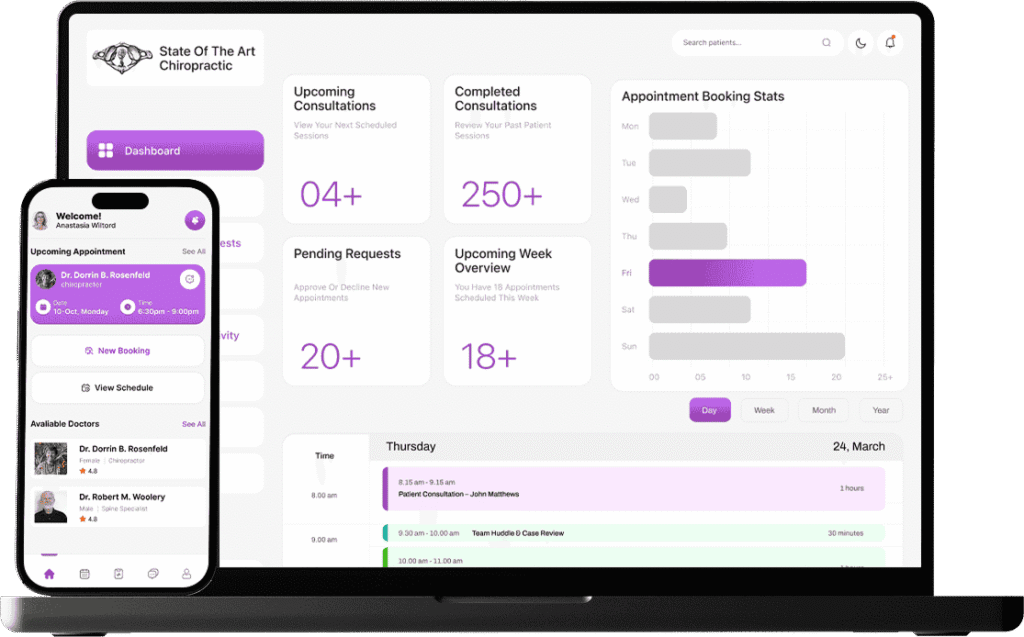
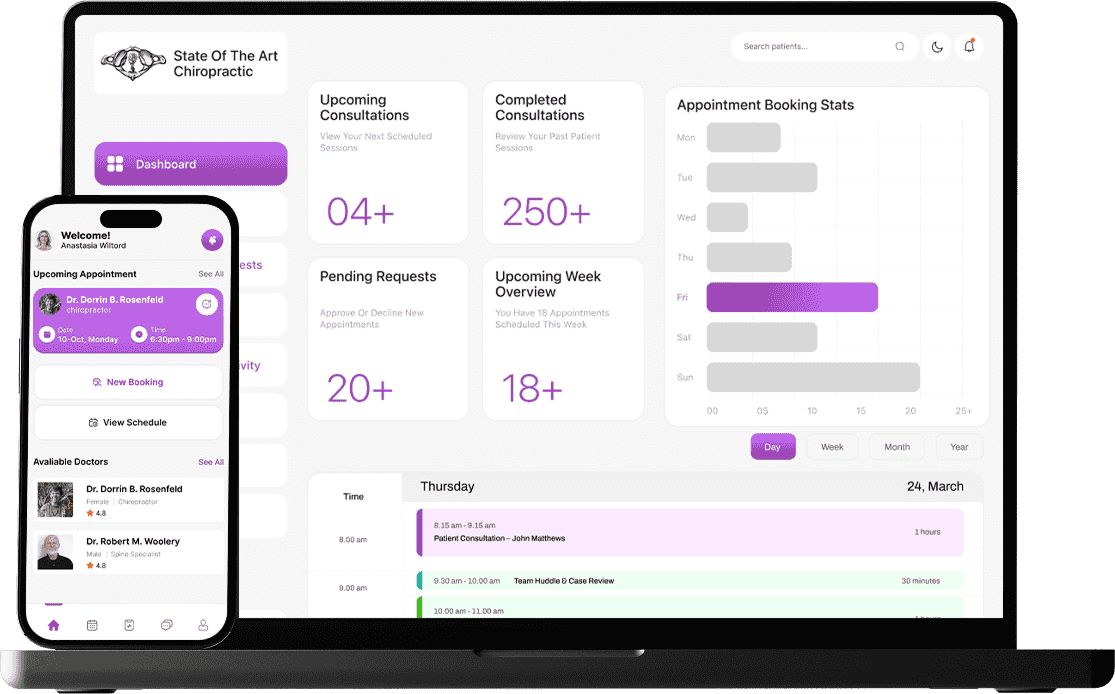
State of the art chiropractic
Connected Chiropractic Care and Telehealth Platform
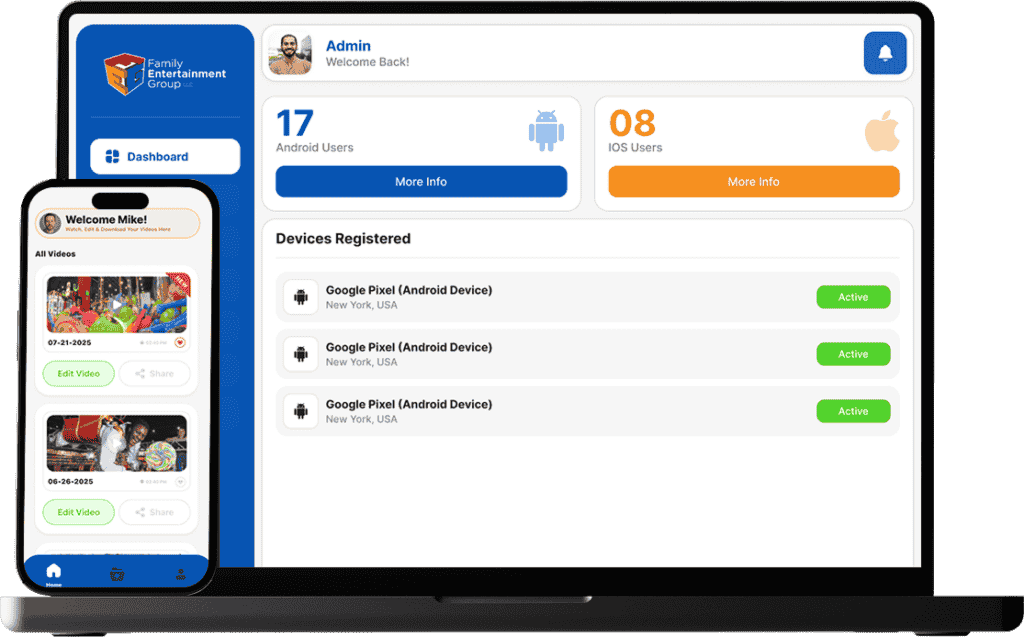
Family Entertainment Group
Automated Experience Capture and Delivery
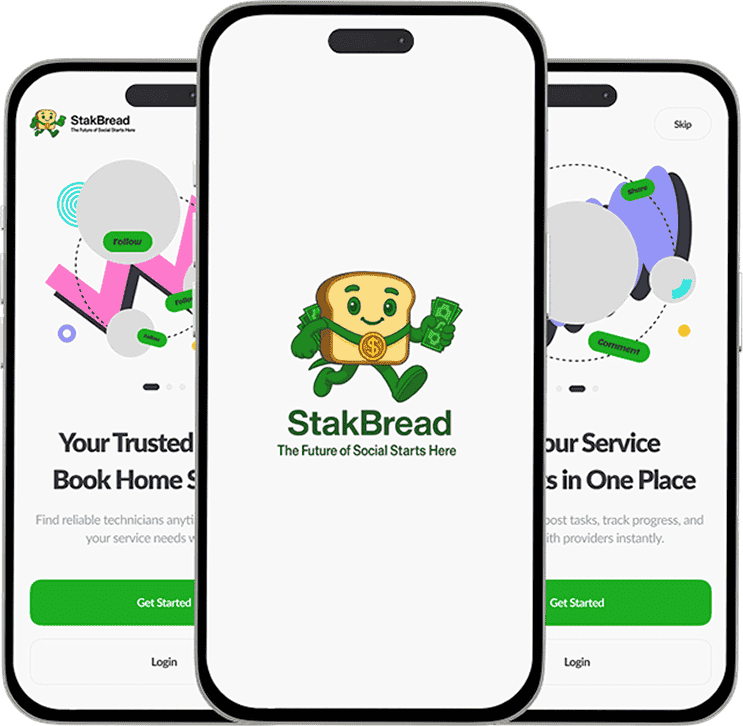
StakBread
Real-Time Workforce Operations Platform
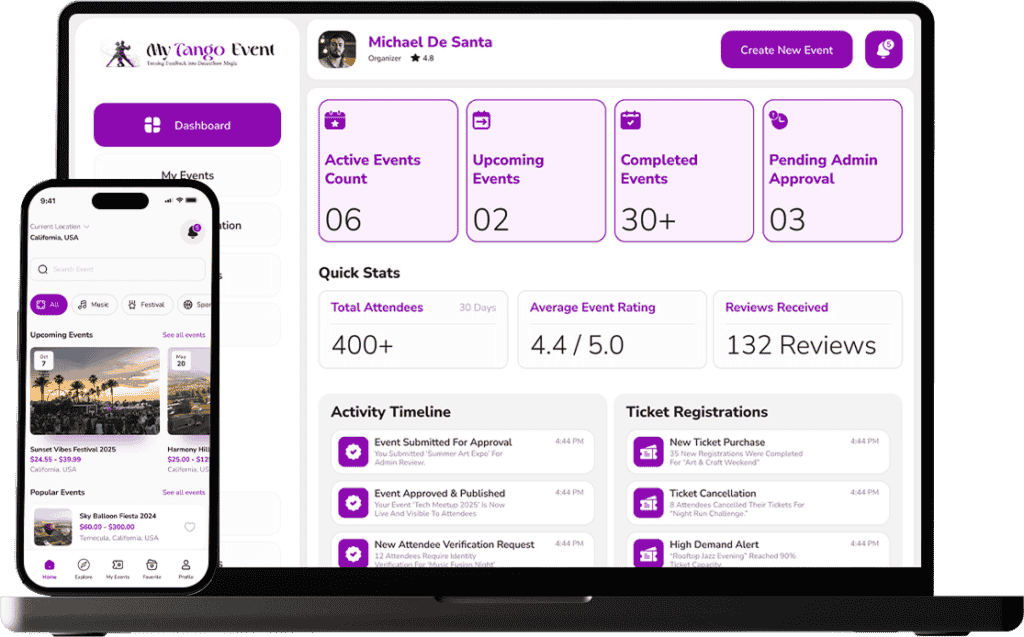
My Tango Event
Global Event Discovery and Community Engagement Platform
A real-time workforce management platform that cut manual paperwork by 90%, streamlining operations and improving accuracy.
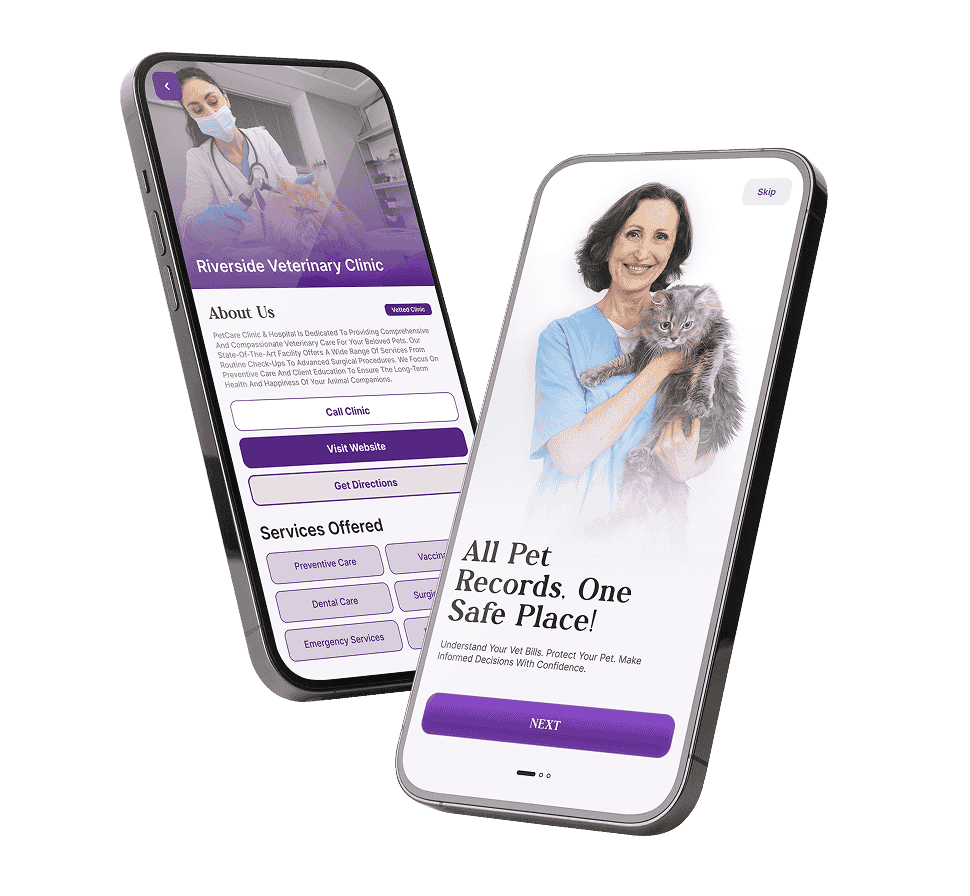
Pets B4 Profit
Automated Experience Capture and Delivery
An AI-assisted veterinary intelligence platform that analyzes pet medical bills, explains treatment costs, and provides healthcare insights to improve pricing transparency for pet owners.
What Our Clients Say About Building With Us
Every successful product starts with alignment between the people building it and the people who need it. These stories reflect the collaboration, trust, and product decisions behind our work.
Inceptives Digital excels at translating complex, abstract product requirements into high-performance, production-ready software. Their execution is seamless.”
From initial product strategy to deployment, Inceptives Digital demonstrated exceptional technical discipline. They delivered a highly scalable mobile product ahead of schedule without compromising architectural integrity.
We needed an engineering partner capable of architecting a highly scalable, complex social commerce platform. Inceptives Digital mapped out a precise technical strategy demonstrating deep understanding of data architecture, system performance, and user-centric design.
The engineering rigor at Inceptives Digital is outstanding. They managed our complex scope of work with meticulous precision from initial system architecture to the final deployment phases.
Ready to Strengthen Your Product's Foundation with Us?
Get a technical assessment of your current backend and a clear plan for what it needs next.
Why Product Teams Trust Inceptives Digital with Their Backend Architecture
Architecture-First Engineering
A system either scales or gets rebuilt based on one decision: how the boundaries were drawn before any code existed. Inceptives Digital makes that decision in the first sprint, while it still costs nothing to change.
API-First Product Design
APIs go through the same review process as a shipped product: versioned contracts, documentation, stability checks before release. Skip that process and every team building on the API inherits its mistakes.
Cloud-Native Infrastructure
Backend systems are built on AWS, Google Cloud, or Azure from the first design decision, with auto-scaling and distributed architecture already running underneath the system before load ever increases.
Performance Without Bottlenecks
Query performance, caching, and indexing are tuned against the product’s actual access patterns before launch. A system that slows down in production is a system that wasn’t tested against the right conditions before it got there.
Security Embedded into Every Layer
Authentication, encryption, and access control are part of the architecture from the first data flow mapped. OAuth2, JWT, and field-level encryption are in place before the system is ever exposed to a user.
Long-Term Maintainability
Every system is handed off with documentation that captures the reasoning behind each architecture decision, not just the decision itself. The engineers who inherit it work from context, not guesswork.
Our Backend & API Development Process
Every backend engagement follows a defined path from architecture to deployment. Each phase builds on validated decisions from the one before it, so nothing gets built on an assumption that hasn’t been confirmed.
Requirements & Architecture Planning
Every successful backend begins with understanding product goals, technical constraints, projected growth, and integration requirements. These insights shape the architectural blueprint, defining service boundaries, data ownership, and system interactions before development begins.
Database & API Design
With the architecture established, database models and API contracts are designed together to ensure efficient data flow, consistent communication, and long-term flexibility. This alignment creates a solid foundation before implementation starts.
Development & Integration
Once the foundation is validated, our engineers build backend services in iterative milestones while integrating databases, third-party platforms, and frontend applications. Continuous technical reviews ensure every component remains aligned with the original architecture.
Security & Performance Validation
Before deployment, the complete system undergoes rigorous security assessments, load testing, and performance optimization. This stage verifies that the backend can withstand real-world traffic, protect sensitive data, and maintain consistent reliability under scale.
Deployment & Ongoing Support
After successful validation, the backend is deployed through automated CI/CD pipelines with comprehensive technical documentation. Our post-launch analytics iteration team continues supporting the product beyond launch, ensuring the architecture adapts smoothly as user demands emerge.
Production-Proven Technologies for Modern Software
Advanced Backend Capabilities for Intelligent Digital Products
Beyond core backend & API development, AI integrations, event-driven architecture, real-time systems, serverless computing, distributed systems, and workflow automation have been built and shipped across the products in our portfolio. These are not capability additions. They are part of how we engineer.
AI Integrations
AI development integrates machine learning models, recommendation engines, and predictive logic at the API layer, built into the system architecture rather than connected as external dependencies.
Event-Driven Architecture
Real-Time Systems
Serverless Computing
Distributed Systems
Workflow Automation
Business process automation handles business logic triggers, data pipelines, and operational processes at the backend layer, removing the manual intervention points that slow product teams down. Secure ledgers and decentralized integrations can also bring blockchain into software development where immutable records or cryptographic verification are required.
Flexible Pricing Models Built Around Your Backend Scope
Backend & API development costs are scoped to the project, confirmed before the first sprint, and never left open-ended once the engagement starts. The main factors affecting app development cost are system complexity, integrations, architecture, and infrastructure requirements.
Backend Foundation
$20,000 - $50,000
- Up to 15 API endpoints designed and documented
- Single database architecture, relational or NoSQL
- OAuth2 or JWT authentication implemented
- One third-party integration included
Full-System Backend Build
$50,000 - $110,000
- Up to 40 API endpoints across REST, GraphQL, or gRPC
- Multi-database architecture with Redis caching layer
- Up to five third-party integrations
- Microservices with independently deployable services
Backend Migration & Modernization
$65,000 - $160,000+
- Architecture audit and migration roadmap delivered first
- Phased extraction starting with highest-risk components
- Legacy API modernization to REST or GraphQL
- Zero-downtime database migration strategy
Your Product Deserves Better Infrastructure. Talk to the Right Backend Developer
Every estimate is finalized before the first sprint begins, with no open-ended ranges carried into the engagement.
FAQs
Backend & API Development
How do you decide which API architecture, REST, GraphQL, or gRPC, fits our product?
The decision follows the product’s actual data shape and client needs, not a default preference. Products with complex, nested data or multiple front-end clients are better served by GraphQL. Products with simpler, predictable data needs are better served by REST. The architecture follows the use case.
How do you ensure a backend can scale as our user base grows?
Scale is addressed at the architecture stage through database partitioning, service boundaries, and load-aware infrastructure design. Systems are stress-tested under simulated load before deployment, and cloud-native infrastructure on AWS, Google Cloud, or Azure provides auto-scaling as actual demand changes.
Can you integrate a new backend with our existing legacy systems?
What security measures do you build into backend systems?
Do you work alongside our existing in-house developers, or only as a full external team?
Do you provide ongoing maintenance after the backend is deployed?
How long does a typical backend or API development project take?
A focused backend covering core API and database architecture typically takes six to twelve weeks. A full-system build, including integrations and deployment, runs fourteen to twenty-four weeks. The final app development timeline for migrations depends on the size and condition of the existing system.
What happens if our project's scope changes mid-build?
Who owns the code and documentation after the project is complete?
Do you work with early-stage or pre-funding startups?
Yes. Startup product development is scoped around what the product actually needs at its current stage, not a fixed minimum. A focused backend foundation suits software development for startups validating early traction; a full-system build suits a product scaling post-funding. For very early products, understanding MVP development cost also helps define an appropriate first backend scope.
Can you build APIs that integrate with third-party services like Stripe or Twilio?
How do you price backend & API development projects?
A focused backend engagement typically starts around $20,000, while a full-system build spans a wider range depending on integration complexity and target infrastructure. Cost scales with system scope, integration count, and whether the work is greenfield or migration. The signs a startup needs custom software development often become clear when existing infrastructure can no longer support that growth.